

Introduction
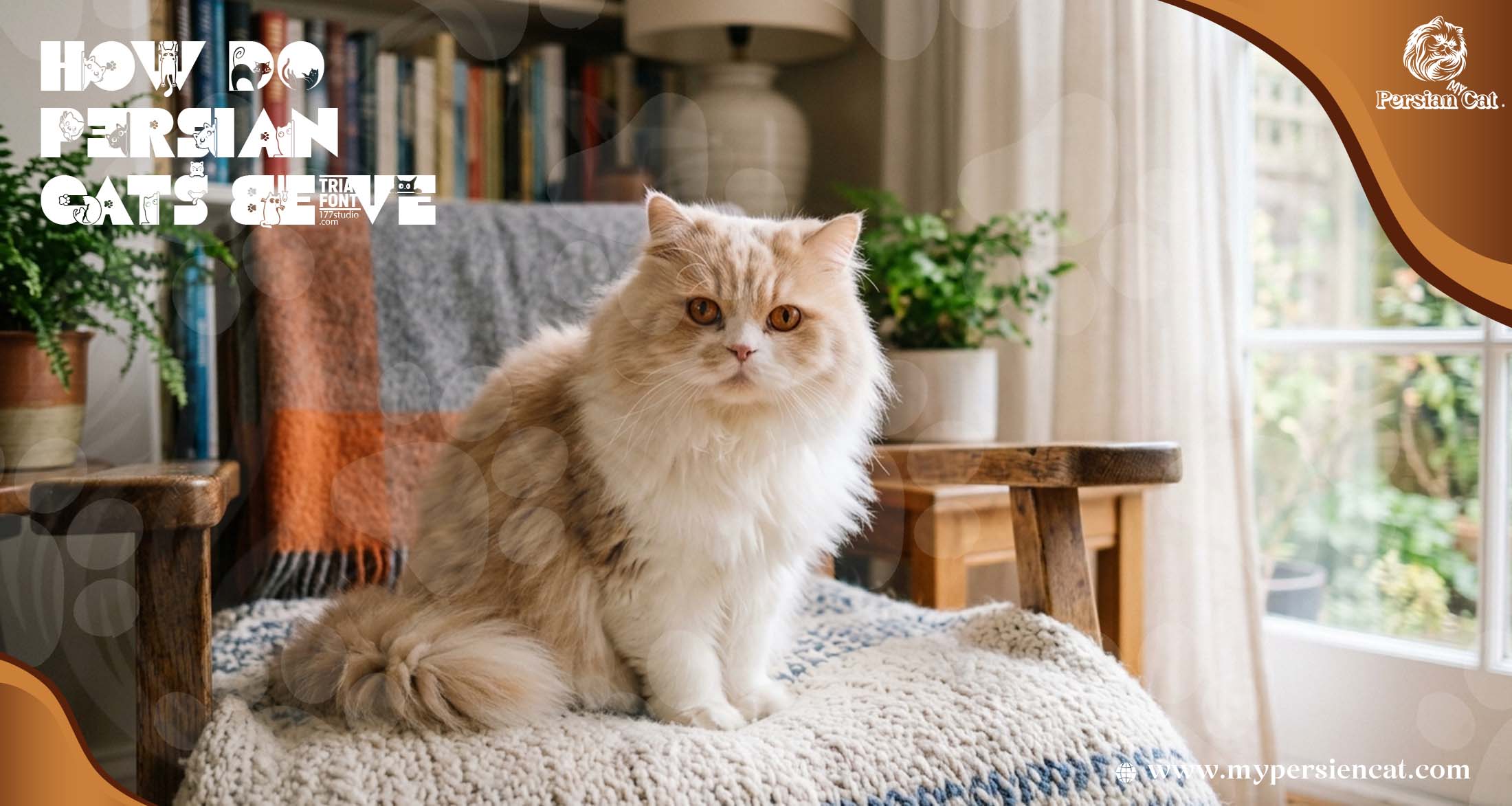
I still remember the first time I held a fluffy Persian kitten. It felt like holding a soft little cloud. The kitten was calm and warm in my hands. That moment made me fall in love with the breed.
So, how do Persian cats behave? The answer is simple. They are quiet, gentle, and very loving. They do not run and jump all day like some other cats. Instead, they like slow days, soft beds, and calm homes.
From my own experience, Persian cats love peace and routine. They enjoy sitting near their owner. Many like to nap beside you while you read or watch TV. They show love in quiet ways. A slow blink or a soft purr can mean a lot.
Persian cats also enjoy close time with their family. They are not very loud. Most do not meow much. They like to stay near people they trust. This makes them great pets for calm homes.
But like all cats, they can have a few behavior problems. Some Persian cats get upset if their routine changes. A loud home or too many new pets can stress them. When they feel stress, they may hide or stop eating for a short time.
Good care helps a lot. A clean space, a soft bed, and daily grooming keep them happy. Gentle play time also helps them stay active and relaxed.
How can you tell if your Persian cat is happy? Look for small signs. A happy cat will purr, blink slowly, and rest near you. A relaxed body and soft eyes are also good signs.
In the end, Persian cats are sweet, calm, and full of quiet love. If you want a peaceful pet that enjoys gentle moments, this beautiful breed may be perfect for your home. 🐱✨
My Personal Experience With a Persian Cat
I still remember the day I brought home my first Persian kitten. It was a quiet afternoon, and I felt both excited and a little nervous. The kitten did not run around like I expected. Instead, it sat calmly in one spot and looked at me with soft eyes. That was my first clue about how do Persian cats behave.
In the first few days, I noticed how different this breed was from other cats. My Persian kitten was calm, quiet, and very gentle. It did not climb curtains or jump on high shelves. It liked soft spaces and stayed close to me. This calm nature made my home feel more peaceful.
What surprised me most was how it showed love. It did not demand attention all the time. Instead, it would sit beside me or follow me slowly from room to room. Sometimes it would blink at me or give a soft purr. That quiet bond felt stronger than loud play.
Over time, I also learned a few small challenges. Like many cats, it did not like sudden change. If I moved things or changed its routine, it would hide for a while. These small moments helped me understand Persian cat behavior problems in a real way.
But the good moments were always bigger. My Persian became a calm friend in my daily life. It loved peace, routine, and gentle care. From my personal experience, this breed is perfect for quiet homes and families who enjoy slow, loving moments.
Persian Cat Personality – What Are They Really Like?
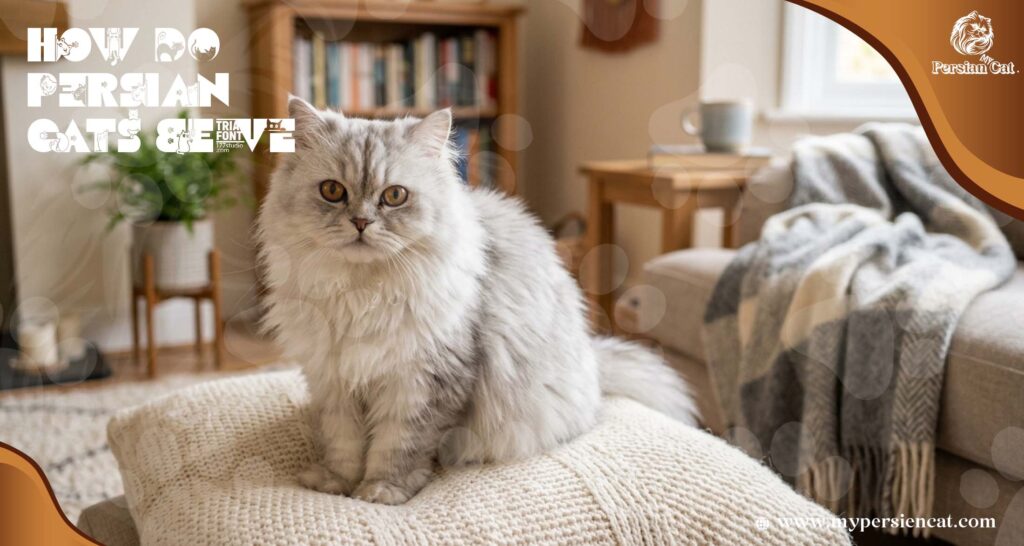
If I had to describe the Persian cat personality in one line, I would say this: they are like a calm evening after a long day. They are soft, slow, and easy to be around. When people ask me how do Persian cats behave, I always say they bring peace into a home. They do not create chaos. They create comfort.
Compared to active breeds, Persians are much more relaxed. Some cats run, jump, and explore all day. Persian cats prefer a quiet corner and a soft bed. From my experience, both Persian cat personality female and Persian cat personality male are gentle, but males can feel a bit more laid-back, while females may be slightly more independent. Still, both love calm and simple routines.
They are also true indoor cats. They feel safe inside the home, where life is slow and steady. Loud noise, too much movement, or a busy space can make them feel stressed. They enjoy a clean, quiet place where they can rest, watch, and stay close to their favorite person.
One thing I noticed is how they value comfort more than adventure. They will choose a soft cushion over a high shelf any day. Their needs are simple: love, peace, and a stable routine. When you give them that, they show their best side—gentle, sweet, and deeply loyal.
Key Behavioral Traits of Persian Cats
4.1 Calm and Gentle Nature
One of the first things I noticed is how calm this breed is. They move slow, sit soft, and rarely act wild. If you ask me how do Persian cats behave, I would say they feel like a quiet friend who never rushes. They are not known to be aggressive, and most stay gentle even in new places.
From my personal experience, they do not scratch or bite without a reason. If they feel stress, they will walk away instead of fight. This soft nature makes them great for peaceful homes. It also shows why many people ask, are Persian cats aggressive—because the truth is, they are usually not.
4.2 Low Energy and “Lazy” Habits
Persian cats love rest more than play. They enjoy long naps and slow days. My Persian kitten would sleep for hours, then wake up just to stretch and sit near me again. It felt like living with a tiny, fluffy pillow.
They are not very active like other breeds. You will not see them jump high or run fast all day. This low energy is not a bad thing. It is just their natural style, and it fits well in calm homes.
4.3 Quiet and Soft Voice
Another thing I love is how quiet they are. Persian cats do not meow a lot. When they do, the sound is soft and gentle. It feels more like a whisper than a call.
In my home, this made a big difference. There was no loud noise or constant demand. Just soft purring and calm moments. It is one reason many people enjoy this breed so much.
4.4 Affectionate but Selective
Persian cats are very loving, but in their own way. They do not jump on everyone. They choose their people. Once they trust you, they stay close and show deep love.
My cat would follow me from room to room, but only sit beside me, not on me. It felt like quiet support. With strangers, it stayed distant at first. This selective love is part of their charm.
4.5 Independent but Loving
Even though they love their family, they are not clingy. They enjoy space and quiet time. My Persian often sat alone, just watching the room like a calm little king.
This balance is special. They are not needy, but they are not cold either. They stay close when they want, and rest when they need. When you understand this, it becomes easy to bond with them.
Are Persian Cats Aggressive?
Many people ask me this first: are Persian cats aggressive? The simple answer is no. In most cases, they are calm, gentle, and very soft in nature. If you understand how do Persian cats behave, you will see they prefer peace over conflict.
From my personal experience, my Persian almost never showed anger. It would not hiss or scratch without a reason. If something bothered it, like loud noise or too much handling, it would just walk away. This is their style—they avoid trouble instead of fighting.
That said, like all cats, they can show aggression in some moments. Fear, stress, or sudden change can trigger it. For example, when I changed my room setup once, my cat hid and seemed upset. These are small Persian cat behavior problems, and they are often linked to stress, not personality.
There are also gentle signs to watch. A tense body, flat ears, or a low growl can mean your cat is not happy. If you see this, give them space and calm the area. When they feel safe again, they return to their usual sweet and loving self.
So, if you are wondering is Persian cat aggressive, the truth is simple. They are one of the least aggressive cat breeds. With love, routine, and a calm home, they stay gentle and peaceful almost all the time.
How Do Persian Cats Behave With Family, Children, and Other Pets?
6.1 With Family
From my own life, I can say Persian cats truly love their family. They form quiet, deep bonds with the people they trust. My cat would follow me from room to room, not for attention, but just to be near. If you wonder how do Persian cats behave at home, they act like calm shadows—always close, never loud.
They do best in peaceful homes. Loud noise or too much chaos can make them step back. They enjoy soft voices, slow moments, and a stable space. In the right home, their love feels warm and steady, like a soft light that never fades.
6.2 With Children
Persian cats can be good with children, but only if the child is gentle. They do not like rough play or loud games. I once saw my cat quietly walk away when a child tried to pick it up too fast. That moment taught me they choose peace over stress.
Older kids who understand respect do very well with them. When a child is calm, the cat will sit nearby or even nap next to them. It becomes a soft friendship, built on trust, not force. That is the key to keeping both the cat and child happy.
6.3 With Other Pets
With other pets, Persian cats are usually calm and polite. They do best with animals that match their slow energy. In my case, when I introduced a quiet pet, my Persian stayed relaxed and curious. There was no fight, just slow adjustment.
But very active pets can be a problem. Too much chasing or noise can cause stress. These small moments can turn into Persian cat behavior problems if not handled well. So, a calm pet and a gentle intro make all the difference.
In the end, Persian cats fit best in calm, loving homes. With the right family, kind children, and peaceful pets, they show their true nature—soft, gentle, and full of quiet love.
How Do Persian Cats Behave in Daily Life?
In daily life, Persian cats follow a calm and steady routine. From my own experience, my cat would wake up, eat, and then find the same cozy spot every day. If you ask me how do Persian cats behave, I would say they love simple habits. Change too much, and they may feel a bit stressed.
They also prefer quiet spaces over busy ones. Loud sounds or too many people can make them step back. My cat always chose the softest and calmest corner of the house. It felt like it was building its own little peaceful world.
One thing I noticed is that they are not big climbers. Unlike some cats, they stay close to the ground. They enjoy soft beds, rugs, and low spaces more than high shelves. This makes them easier to manage in small homes or apartments.
Persian cats are true indoor pets. They feel safe inside where life is calm and predictable. A stable home, clean space, and gentle care help prevent Persian cat behavior problems. When their daily life feels safe and quiet, they stay relaxed, happy, and full of soft love.
Persian Cat Behavior Problems (What You Should Know)
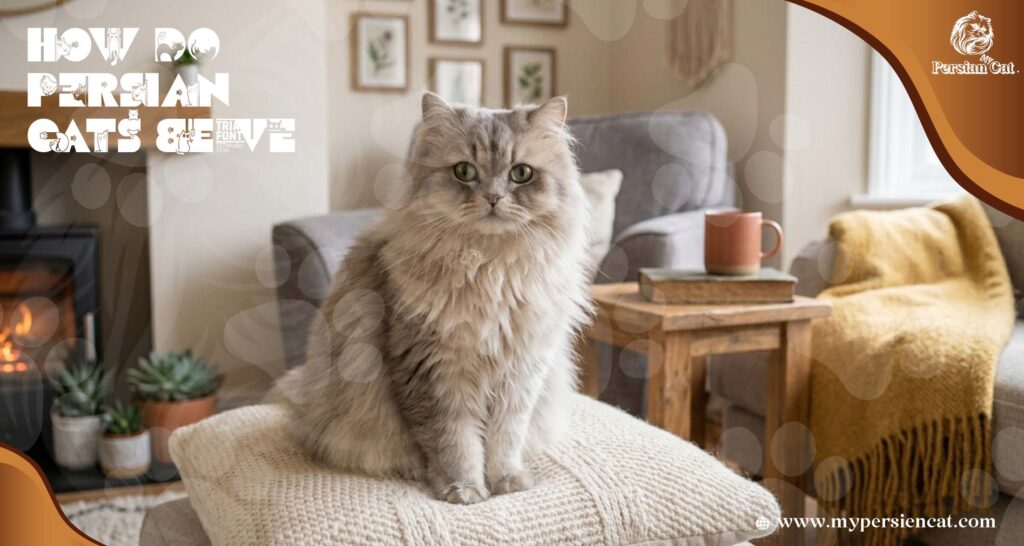
Let me be honest with you—no cat is perfect, and Persian cats are no exception. Even though they are calm and sweet, there are a few Persian cat behavior problems you should know. From my personal experience, these issues are not serious, but they do need patience and care. When you understand how do Persian cats behave, these small problems start to make sense.
One common issue is hiding when they feel stressed. I noticed this the first time I changed my room setup. My cat disappeared under the bed for hours. Persian cats love routine, so even small changes can feel big to them. This is one of the most common answers to what are the behavioral problems with Persian cats.
Grooming can also be a challenge sometimes. Their long fur needs daily care, but not every cat enjoys it. My cat would gently pull away or act a bit stubborn during brushing time. It was not aggression—it was just discomfort. With slow and gentle care, this problem became much easier to manage.
Another thing you may notice is low activity or what people call “laziness.” Persian cats love rest, but too much of it can lead to boredom. I had to slowly add short play sessions to keep my cat active. This helped both mood and health, and it reduced small behavior issues over time.
You may also see minor habits like scratching furniture or ignoring the litter box once in a while. These are usually signs of stress, boredom, or discomfort. The key is not to panic. Stay calm, fix the cause, and give your cat a safe and peaceful space.
In the end, these Persian cat behavior problems are small and manageable. With love, routine, and a bit of patience, they fade away. And what you get in return is a calm, gentle companion who fills your home with quiet love.
How Do I Know If My Persian Cat Is Happy?
Knowing if your Persian cat is happy can feel like learning a new language—but once you understand their signs, it’s surprisingly simple. From my personal experience, these cats are subtle in showing joy. They don’t jump and prance like some breeds. Instead, happiness is quiet, gentle, and a little secret between you and your cat.
The easiest sign is purring. My Persian kitten would purr softly whenever I sat nearby. Sometimes it was a low hum, almost like a whisper. That gentle vibration is a classic sign that your cat feels safe and loved.
Relaxed body language is another clue. A happy Persian will stretch, lie on their side, or curl up in a soft spot without tension. When I watch my cat, the soft tail flicks, relaxed paws, and calm eyes always tell me it’s content.
Eating well is a subtle but important signal. A stressed or unhappy cat might skip meals, nibble nervously, or ignore treats. When my Persian finishes its food happily and comes back for more cuddles, I know everything is fine.
Finally, a happy Persian seeks your company. My cat would follow me quietly, sit near me while I worked, or nuzzle my hand. It’s not demanding attention—it’s a gentle connection. If your cat does the same, it’s a clear sign of contentment.
Of course, there are signs of stress too: hiding, tense body, flattened ears, or refusing to eat. Recognizing these is just as important. When you know how do Persian cats behave, you can respond quickly, offer comfort, and restore their calm.
In short, a happy Persian is calm, purring, relaxed, and near you. They show love quietly, and when you notice these little signals, it feels like a soft, heartwarming conversation without words. 🐱💛
Types of Persian Cat Faces and Behavior Differences
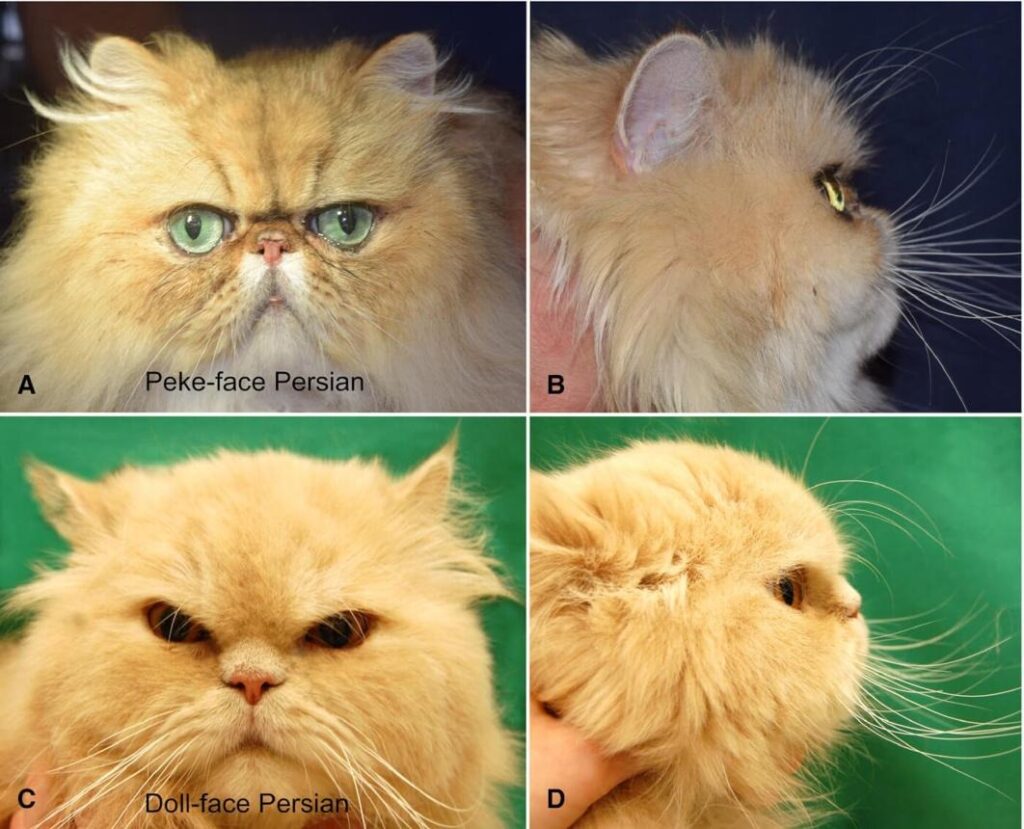
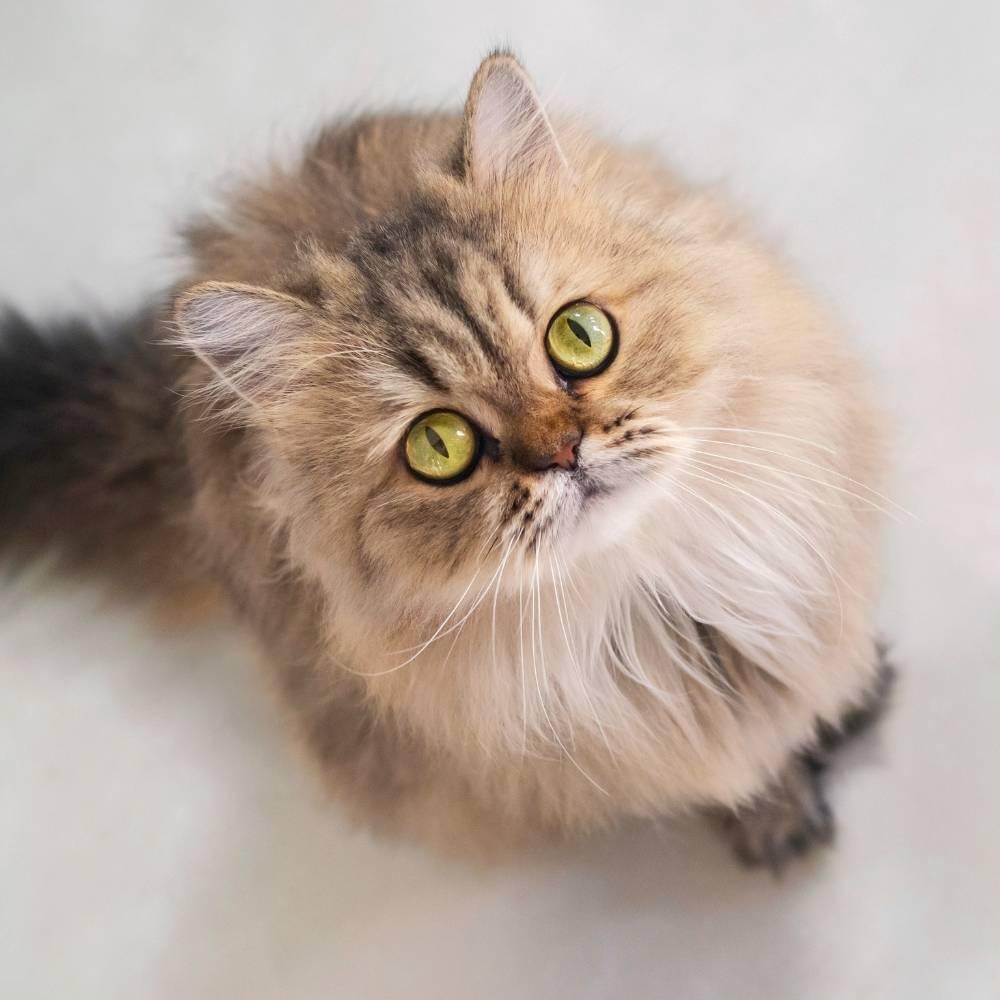
Traditional Persian Cat (Doll Face)
5
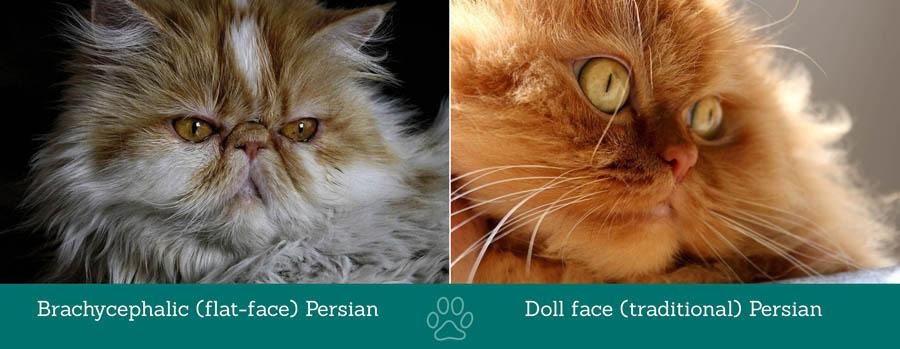
When I first saw a traditional Persian cat, I noticed the face right away. The nose was longer, and the look felt more natural. It reminded me of how cats looked years ago. Soft, simple, and easy on the eyes.
From my personal experience, their behavior feels very balanced. They are calm, gentle, and easy to read. If you ask me how do Persian cats behave, this type shows the classic traits in a very smooth way. They eat well, breathe easily, and stay relaxed in most homes.
They are still quiet and loving, just like the breed is known for. In my home, a doll face Persian felt a bit more active than others, but still calm. Think of them like a slow river—peaceful, but still moving.
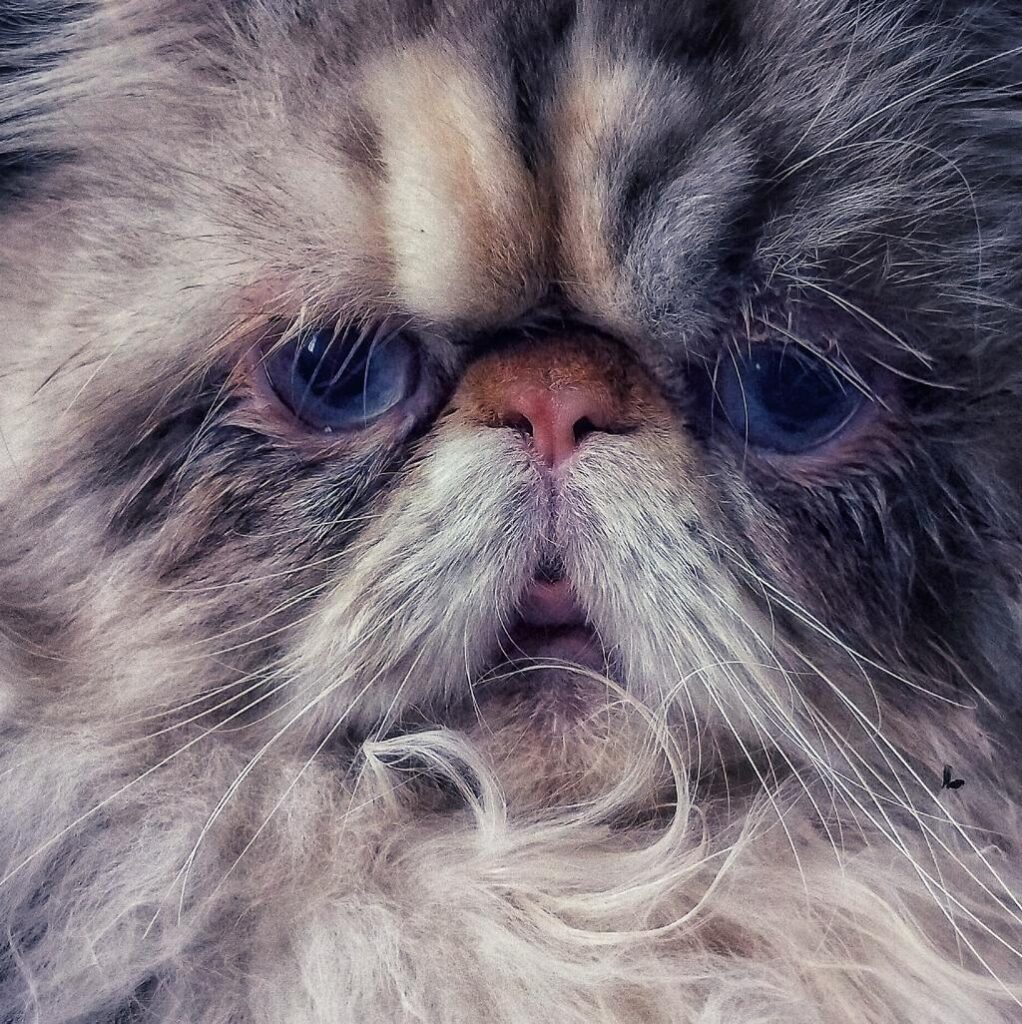
Flat-Faced Persian Cat (Peke Face)
4
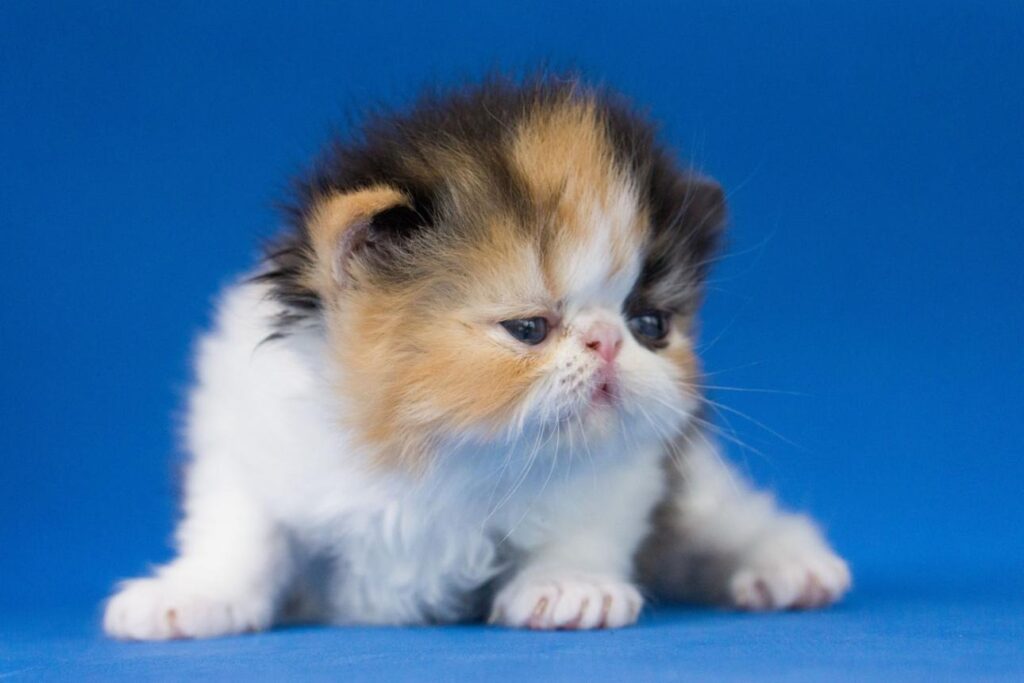
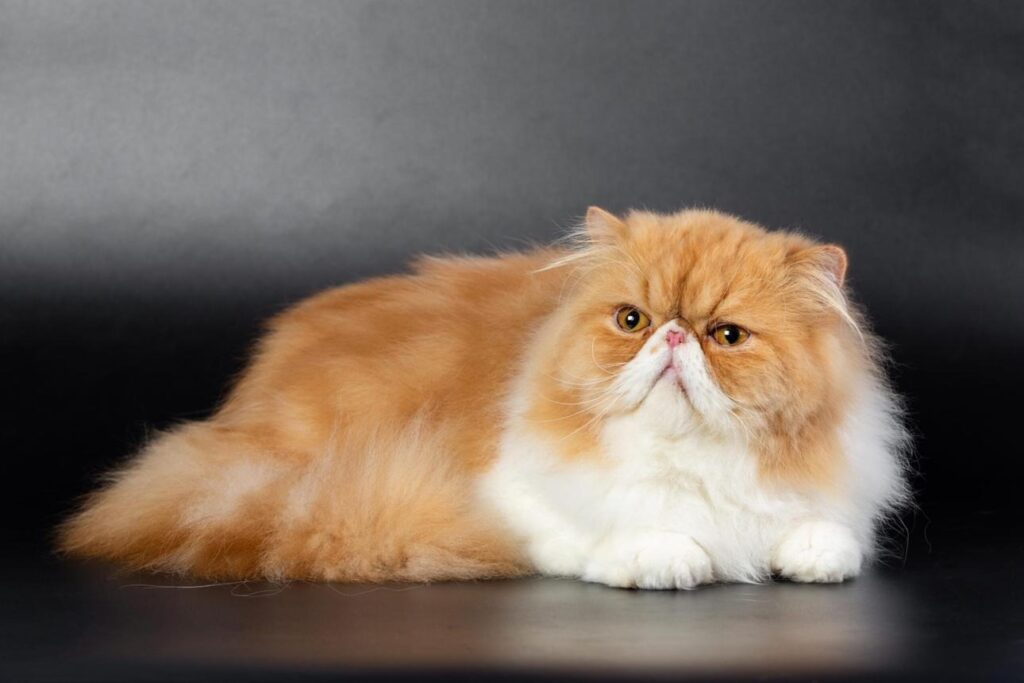
Then there is the flat-faced type, often called the peke face. The nose is very short, and the face looks round and cute. The first time I held one, it felt like holding a tiny teddy bear. Very sweet, very soft.
But here is something I learned over time. While their personality is still calm and loving, their care needs are different. Some may have breathing or eye issues. This can affect mood at times, which links to small persian cat behavior problems.
Even then, they are not aggressive. If you wonder are Persian cats aggressive, this type is still very gentle. They may just need more care and patience to stay happy and comfortable.
Do Face Types Change Behavior?
Now here is the honest truth. When it comes to types of Persian cat faces, behavior is mostly the same. Both types are calm, quiet, and full of soft LOVE. They enjoy family time, peaceful homes, and gentle care.
The real difference is not personality—it is comfort and care. A traditional Persian cat may be easier to manage day to day. A flat-faced cat may need more grooming and health support. That can affect how relaxed they feel.
So if you are thinking about adoption or planning to adopt, keep this in mind. Choose the cat that fits your home, your time, and your care level. Because in the end, no matter the face, a Persian cat will bring the same quiet joy into your life. 🐱💛
Disadvantages of Persian Cats (Honest Truth)


6
Let me be real with you for a moment. I love this breed deeply, but there are some clear disadvantages of Persian cats you should know. If you are asking how do Persian cats behave, you also need to understand what makes them hard to care for. These are not deal-breakers, but they do matter in daily life.
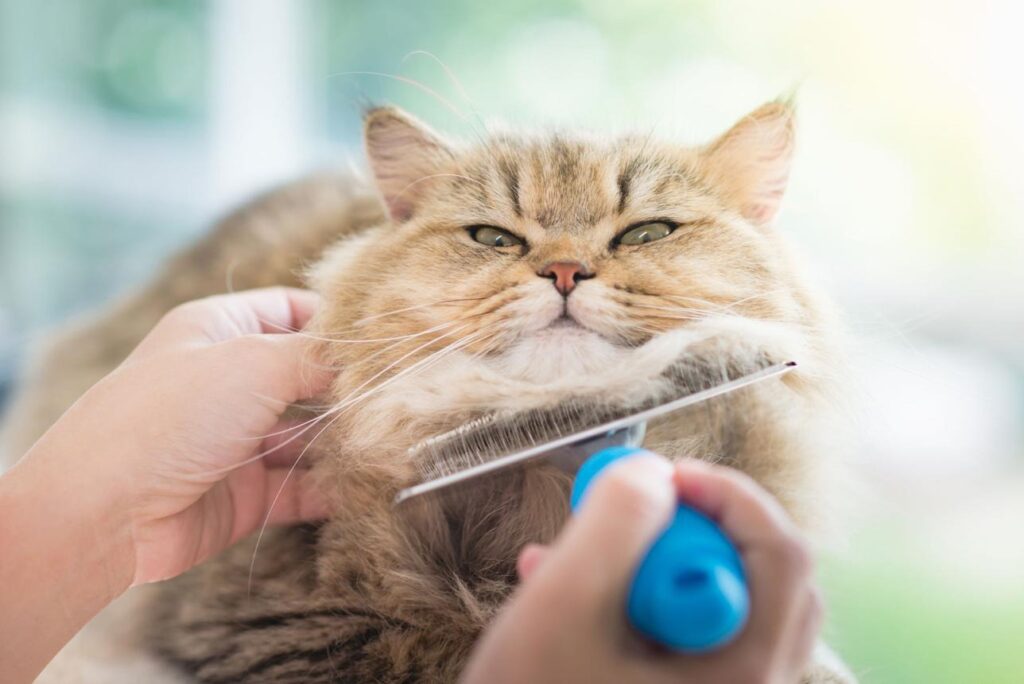
First, grooming is a big one. Their long fur is beautiful, but it needs daily care. I learned this the hard way when my Persian kitten got small knots in just a few days. Brushing became part of my routine, like having tea in the morning—skip it, and problems show up fast.
Health is another honest concern. Some cats, especially flat-faced types, can have eye or breathing issues. I noticed watery eyes often, and gentle cleaning became normal for me. These small care steps are simple, but they need time and patience every day.
They are also very sensitive to noise and stress. Loud homes, too many guests, or sudden changes can upset them. I once moved furniture around, and my cat hid for hours. That moment taught me how much they rely on calm spaces and steady routines.
Cost is something people often forget. The Persian cat price can be high, but the real cost is ongoing care. Grooming tools, vet visits, and quality food add up over time. It is not just a pet—it is a long-term commitment.
In the end, these disadvantages of Persian cats are real, but they come with the breed. If you understand how do Persian cats behave, you will see why these needs exist. With the right care, patience, and LOVE, they give back something rare—a calm, gentle presence that makes a house feel like home. 🐱💛
Persian Cat Price and Ownership Costs
When friends ask me about getting a Persian, the first thing they ask is the Persian cat price. I always smile and say the same thing: the price is just the start. Owning this beautiful breed is more like a long story than a one-time cost. And if you already know how do Persian cats behave, you will understand why their care matters so much.
The basic Persian cat price can vary a lot. In many places, a Persian kitten from a trusted breeder may cost anywhere from $500 to $3000 or more. A registered or show-quality cat can cost even higher. A traditional Persian cat or rare color may also raise the price. If you choose adoption or pet adoption through a rescue, the cost is often much lower, and you also help a pet find a loving home.
But the real cost begins after you bring the cat home. Persian cats need good food, grooming tools, and regular vet care. Their long fur needs brushes, combs, and sometimes professional grooming. I remember buying my first grooming kit and thinking, “Wow, this cat has a beauty routine better than mine.”
Vet care is another part of the story. Persian cats, like Himalayans and other related breeds, may need eye cleaning or routine checks. These visits help prevent small health issues that can turn into bigger persian cat behavior problems later. Good care keeps them calm, healthy, and happy.
There are also small daily costs people forget. Toys, litter, beds, and safe space all matter. If you live in an apartment, you may even need landlord permission before bringing a pet home. I had to check this once myself. It is a simple step, but part of good planning before you adopt.
So why are Persian cats expensive? The answer is simple. Their beauty, gentle nature, and special care needs all add value. Breeders also spend time protecting the breed, health testing parents, and raising kittens with proper care and LOVE.
From my own experience, the cost is real—but so is the joy. When you understand how do Persian cats behave, you see they are not just pets. They become calm members of the family, filling quiet homes with soft presence and warmth. And honestly, that kind of peace is hard to put a price on. 🐱💛
Adoption, Rescue, and Planning Before Bringing One Home
When people ask me how do Persian cats behave, my next question is simple: how will you bring one home? Many people buy a kitten right away. But there is another path that feels just as special—adoption. A soft Persian waiting in a rescue center can become a loving friend with just a little patience and care.
I once visited a small pet adoption center just to look around. One quiet Persian sat in the corner, calm and watchful. That moment reminded me that every pet has a story. Choosing adoption or rescue does more than bring a cat home. It means you are helping an animal find safety, warmth, and real LOVE again.
Of course, some people prefer buying from a registered breeder. That is also a valid choice if done with care and respect for the breed. Good breeders protect the rights of the animals and follow health checks and proper permits. Still, adoption remains a beautiful option if your goal is simply to adopt a loving companion.
Before bringing a Persian home, a little planning makes life much easier. These cats love calm and stable homes, so think about your space first. You do not need a big house, but you do need a quiet corner where your cat can rest. Persian cats enjoy comfort more than adventure.
Time is another thing people forget. Their long fur needs daily grooming. When I first cared for a Persian kitten, brushing became part of my evening routine. It felt like a calm ritual between me and my cat. That small habit also prevents many persian cat behavior problems later.
If you live in an apartment, check your landlord rules too. Some places need permission before bringing home a pet. It may feel like a small step, but it avoids stress later. A quick talk with your landlord can save you a lot of trouble.
Family readiness matters as well. Everyone in the family should be ready to welcome the cat. Persian cats do best with gentle people, calm children, and peaceful homes. When the whole home is prepared, the cat feels safe much faster.
In the end, whether you choose adoption, pet adoption, or a trusted breeder, the goal is the same. Give the cat a safe place and steady care. When you do that, you will truly understand how do Persian cats behave—calm, loving, and quietly loyal to the people who give them a home. 🐱💛
Male vs Female Persian Cat Behavior – Is There a Difference?
When it comes to how do Persian cats behave, one question I often hear is whether males and females act differently. From my own experience and many hours observing these fluffy companions, the differences are subtle—but noticeable if you pay attention.
Male Persian cats often feel a bit more relaxed. My male kitten loved to stretch out in sunny spots and seemed completely at ease wherever he went. He wasn’t needy, but he loved company. This calm, laid-back attitude makes them perfect for homes that enjoy peace and routine.
Female Persian cats can be slightly more independent. My female kitten would still sit beside me or follow me quietly, but she had moments when she just wanted space. It wasn’t aloofness—just a gentle reminder that Persian cats, especially females, enjoy having a little control over their calm environment.
That said, both genders share the classic Persian cat personality traits: calm, loving, and gentle. They both show affection quietly, bond deeply with family, and prefer soft, cozy corners over chaotic spaces. Whether male or female, you’ll notice subtle personality nuances, but the heart of a Persian is the same.
So, if you’re planning to adopt, consider your lifestyle and space. If you want a slightly more relaxed lap companion, a male might fit the bill. If you enjoy a cat that balances love with independence, a female may be ideal. Either way, both bring the quiet, loving presence that makes Persian kittens so special.
Final Thoughts – Is a Persian Cat Right for You?
If you’ve been wondering, how do Persian cats behave, here’s the honest truth: they are calm, gentle, and quietly loving. They are not the kind of cats that run around all day or demand constant attention. Instead, they bring a soft, steady presence to your home—like a little heartbeat of calm that makes any space feel cozier.
Persian cats are perfect for people who value peace and routine. Families with older, gentle children, calm pets, or anyone looking for a slow, loving companion will find them a perfect match. If your home is loud, chaotic, or full of surprises, a Persian might get stressed, but with planning, patience, and understanding, even these cats adapt beautifully.
Before adopting or bringing a Persian kitten home—whether through pet adoption, rescue, or a registered breeder—think about space, time, and commitment. Daily grooming, soft beds, and gentle care are essential. From my personal experience, giving these things in return for their quiet LOVE feels more like a gentle partnership than just ownership.
So, is a Persian cat right for you? If you want a loyal, soft-hearted companion who shows love in quiet ways, understands calm routines, and fills your home with gentle joy, then yes—they could be your perfect little family member. 🐱💛
About The Author
Yasin Ahmed Tusher
I Have Five Years of Experience With Persian Cat
In that time, I have learned a lot about how to care for them. Persian cats have long, soft fur, so they need to be brushed often. I know how to brush and bathe them to keep their coats clean and smooth.
I also understand what they like to eat and how to keep them healthy. Persian cats are calm and loving. I enjoy spending time with them and making sure they feel happy and safe.
I can give them medicine if needed and watch for signs of illness. I know how to care for both kittens and older cats. Taking care of Persian cats is something I do with love and care every day.
Phone : 01978040328
Fax : 001978040328
Email : info@mypersiencat.com
How Do Persian Cats Behave How Do Persian Cats Behave How Do Persian Cats Behave How Do Persian Cats Behave How Do Persian Cats Behave How Do Persian Cats Behave How Do Persian Cats Behave How Do Persian Cats Behave How Do Persian Cats Behave How Do Persian Cats Behave
How Do Persian Cats Behave How Do Persian Cats Behave How Do Persian Cats Behave How Do Persian Cats Behave How Do Persian Cats Behave How Do Persian Cats Behave How Do Persian Cats Behave How Do Persian Cats Behave How Do Persian Cats Behave How Do Persian Cats Behave
How Do Persian Cats Behave How Do Persian Cats Behave How Do Persian Cats Behave How Do Persian Cats Behave How Do Persian Cats Behave How Do Persian Cats Behave How Do Persian Cats Behave How Do Persian Cats Behave How Do Persian Cats Behave How Do Persian Cats Behave